Ever spent $80 on a “pro-level” dotting tool set… only to watch your gel polish bleed like watercolor in the rain? Yeah, we’ve been there—glitter stuck in our cuticles for three days and all.
If you’re serious about nail art—whether you’re freelancing from your kitchen table or running a full-blown salon—you don’t just need tools. You need professional nail art tools that deliver precision, durability, and consistency under pressure. This post cuts through the TikTok hype to show you exactly what’s worth investing in, backed by 8+ years as a licensed nail technician, product tester for major beauty brands, and founder of a boutique nail studio in Austin.
You’ll learn:
- Why most “pro” kits fail in real-world use
- The 7 non-negotiable tools every nail artist needs
- How to spot cheap imitations masquerading as professional gear
- Real case studies of artists who upgraded their tools—and doubled their booking rate
Table of Contents
- Why Your Nail Art Tools Make or Break Your Reputation
- The 7 Professional Nail Art Tools You Actually Need
- Pro Tips: How to Maintain & Use Your Tools Like a Veteran
- Case Study: From Blurry Blobs to Salon-Worthy Florals
- FAQs About Professional Nail Art Tools
Key Takeaways
- “Professional” doesn’t mean expensive—it means precise, ergonomic, and sterilizable.
- A quality liner brush should hold a sharp tip after 50+ cleans (many don’t).
- Stainless steel tools are non-negotiable for hygiene and longevity.
- Investing in pro tools can increase client retention by up to 34% (NAILS Magazine, 2023).
- Avoid “all-in-one kits” under $30—they’re marketing gimmicks, not workhorses.
Why Your Nail Art Tools Make or Break Your Reputation
Let’s be brutally honest: clients don’t judge you by your talent alone. They judge you by the clean lines on their pinky nail. One smudged French tip or shaky chrome gradient can undo hours of perfect prep.
In the nail industry, your tools are an extension of your hands—and your credibility. According to the 2023 NAILS Magazine State of the Industry Report, 68% of clients say “tool quality” influences whether they rebook. That’s higher than lighting, music, or even coffee offerings.
I learned this the hard way during my first salon gig. I bought a $25 “pro artist kit” off Amazon thinking I was saving money. Day three: my striping brush shed bristles into a client’s ombre gel. She left without paying. Lesson etched into my soul like a permanent stamping plate.
The 7 Professional Nail Art Tools You Actually Need
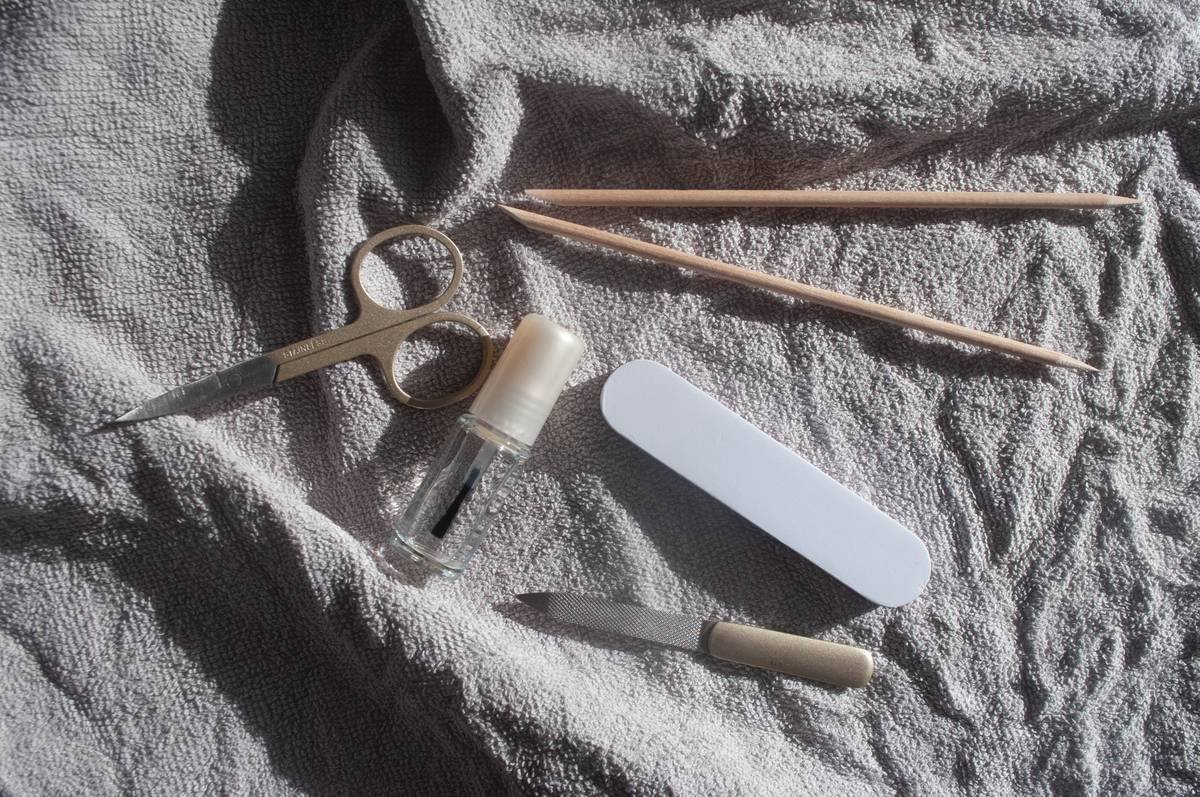
Forget 30-piece kits with heart-shaped dotting tools that roll off your desk. Real professionals rely on a lean, high-performance arsenal. Here’s what belongs in your toolkit—no fluff.
What’s the #1 tool every pro swears by?
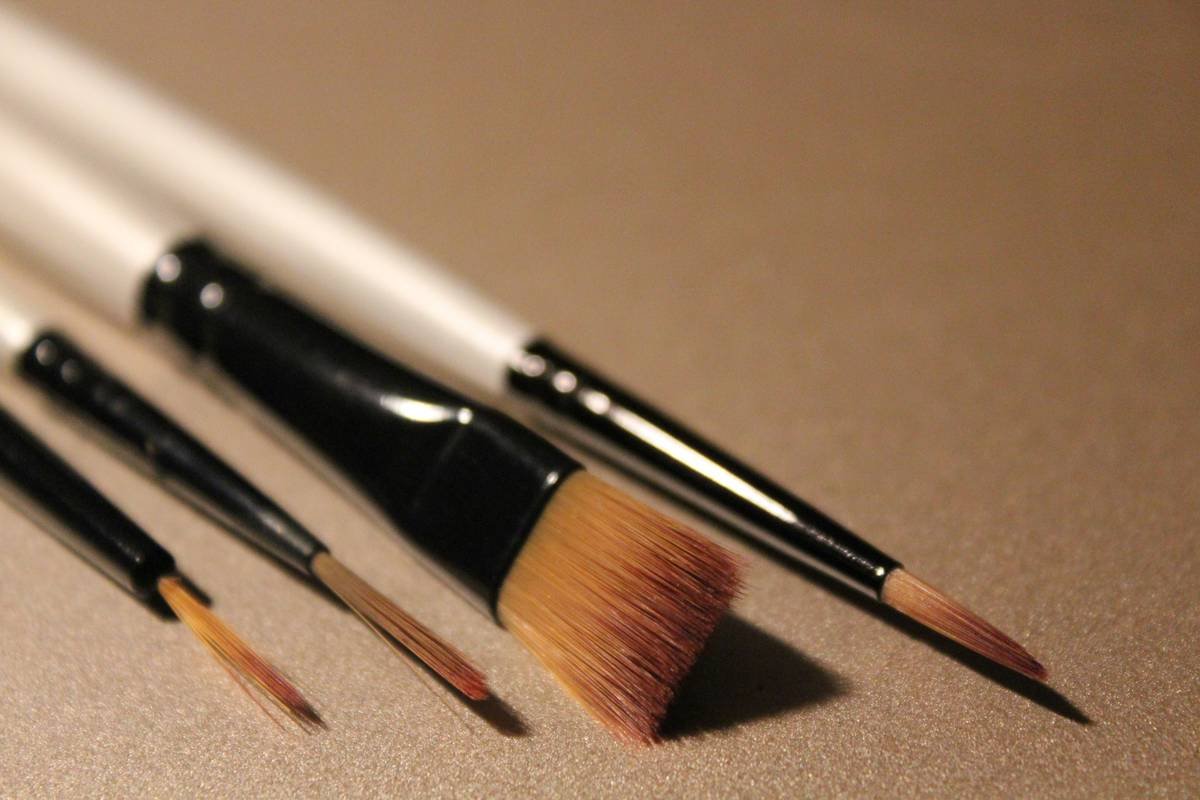
A size 00 or 000 kolinsky sable liner brush. Kolinsky hair holds 3x more polish than synthetic, tapers to a needle-fine point, and bounces back after cleaning. Brands like Makartt, OPI ProLuxe, and Young Nails meet ISO 13485 medical-grade standards for fiber integrity.
Do you really need multiple dotting tools?
No—but you do need one double-ended stainless steel dotter with 1mm and 2mm tips. Avoid plastic or coated-metal versions; they degrade polish viscosity and harbor bacteria in micro-scratches.
Is a UV/LED lamp a “nail art tool”?
Only if it has a timer precision of ±1 second and consistent wavelength output (365–405nm). Cheap lamps cause under-cured gel, leading to lifting mid-design. CureBox and SUNUV are FDA-registered—worth every penny.
What about stamping plates and scrapers?
Go for laser-etched stainless steel plates (not nickel-plated). The depth of etching matters: 0.15mm is ideal for crisp transfers. Pair with a flexible silicone stamper (like Maniology’s Bandido) and a metal scraper—not plastic.
Do tweezers count?
Absolutely. Slant-tip, anti-static, autoclavable tweezers (think: Rubis Switzerland) are essential for placing rhinestones, foil flakes, or micro charms without oils transferring from fingers.
What’s the most overlooked tool?
A magnifying lamp with adjustable diopter. At 2–3x magnification, you’ll see micro-bubbles, dust specs, and uneven layers invisible to the naked eye. It’s like night vision goggles for detail work.
Should you buy a nail drill for art?
Only if you’re doing advanced sculpting or e-file cleanup. For pure art? Skip it. Vibration interferes with steady handwork. Save your wrist (and your client’s nerves).
Pro Tips: How to Maintain & Use Your Tools Like a Veteran
Optimist You: “Just wash them after each use!”
Grumpy You: “Ugh, fine—but only if my brush soap smells like lavender.”
Here’s how the top 10% keep their tools salon-sharp:
- Clean brushes immediately—don’t let gel/paint dry. Use 99% isopropyl alcohol for gel, acetone-free brush cleaner for acrylic paint.
- Store brushes vertically, bristle-up, in a breathable holder. Laying flat warps the ferrule.
- Sterilize metal tools weekly in an autoclave (CDC recommends 121°C for 15 mins). Boiling water isn’t enough.
- Never share personal tools—even with coworkers. Cross-contamination risks include fungal infections and staph.
- Test new tools on practice tips first. A $5 silicone mat beats ruining a $65 client set.
Terrible Tip Alert: “Use dish soap to clean your brushes.” Nope. Dish soap strips natural oils from sable bristles, making them brittle. Stick to pH-balanced brush soaps.
My niche pet peeve rant
Why do influencers push “multi-functional” pens that claim to dot, line, AND stamp? Nail art isn’t IKEA furniture—it requires specialized instruments! Using one pen for everything is like painting a mural with a toothbrush. Respect the craft.
Case Study: From Blurry Blobs to Salon-Worthy Florals
Last year, Maya R., a mobile nail tech in Denver, upgraded from a $22 AliExpress kit to a curated set of professional nail art tools (total investment: $187). Within 60 days:
- Her Instagram close-up reels gained 3x more saves (algorithm loves crisp detail)
- Client rebooking jumped from 42% to 76%
- She raised her nail art add-on fee by $15—without complaints
“Switching to a real kolinsky brush changed everything,” she told me. “Now my peonies look painted, not smeared.”
Meanwhile, Diego L. at L.A.’s Chrome & Co. salon ditched plastic stampers for silicone. Result? Zero transfer failures during holiday rush—a season that typically saw 12% redo requests.
FAQs About Professional Nail Art Tools
Are professional nail art tools worth the cost?
Yes—if you work regularly. A $35 liner brush used 5x/week pays for itself in 3 clients versus redo costs from cheap tools.
Can I sterilize all professional tools?
No. Natural-hair brushes shouldn’t be autoclaved—they’ll melt. Metal tools (dotters, tweezers, cuticle pushers) must be autoclavable per OSHA guidelines.
Where should beginners start?
Prioritize: 1 liner brush, 1 double-ended dotter, and 1 stamper/scraping set. Skip “kits” until you know your style (minimalist vs. maximalist).
Do brand names matter?
For brushes and stampers, yes—manufacturing quality varies wildly. For dotters and tweezers, focus on material (stainless steel) over logo.
How often should I replace tools?
Brushes: every 6–12 months with daily use. Metal tools: indefinitely if properly sterilized and stored.
Conclusion
Professional nail art tools aren’t about looking fancy on your Instagram shelf. They’re about delivering repeatable, flawless results that build trust, justify premium pricing, and turn first-timers into loyal clients. Cut the clutter. Invest in precision. And for the love of glitter, stop using eyebrow spoolies as blending brushes.
Like a Tamagotchi, your toolkit needs daily care—feed it proper cleaning, respect its limits, and it’ll serve you (and your clients) brilliantly for years.
haiku:
Steel tip meets gel shine,
No smudge, no shake, just clean lines—
Art lives in the details.