Ever spent $80 on a “pro” acrylic nail kit… only to watch your sculpted stiletto crumble like stale graham crackers after 48 hours? Yeah. We’ve all been there—me included. In fact, my first attempt at salon-quality nails ended with monomers pooling into sad little puddles and a ruined velvet chair I still haven’t forgiven myself for.
If you’re serious about creating flawless, long-lasting acrylic nails—whether you’re building a home studio or leveling up your licensed tech skills—you can’t wing it with bargain-bin tools. This post cuts through the noise to reveal exactly which professional acrylic nail tools deliver real results, why cheap alternatives sabotage your work, and how to build a no-fluff toolkit that lasts years, not weeks.
You’ll learn:
- Why 73% of beginner nail techs replace their tools within 3 months (spoiler: they buy the wrong ones)
- The non-negotiable 5-tool core set every pro swears by
- How to spot “faux pro” tools sold on Amazon and TikTok shops
- Real cost-per-use math that proves investing upfront saves hundreds
Table of Contents
- Why Tool Quality Makes or Breaks Acrylic Nails
- Step-by-Step: Building Your Professional Acrylic Nail Toolkit
- 5 Pro Tips to Maximize Tool Longevity & Performance
- Real-World Case Study: From Kitchen Table to Licensed Salon
- Frequently Asked Questions About Professional Acrylic Nail Tools
Key Takeaways
- Professional acrylic nail tools aren’t just “expensive”—they’re engineered for precision, durability, and chemical resistance.
- Your brush, dappen dish, and file are make-or-break; skimping here guarantees smudges, lifting, and client complaints.
- Stainless steel > plastic. Kolinsky sable > synthetic. And never, ever use acetone-soaked cotton pads as lint-free wipes.
- A $200 tool kit used weekly costs less than $1 per service over two years—far cheaper than replacing $30 kits monthly.
Why Tool Quality Makes or Breaks Acrylic Nails
Let’s be brutally honest: acrylic nails live or die by three things—your technique, your product chemistry, and your tools. Mess up any one, and you get lifting, cracking, or that dreaded “wet sponge” texture that screams amateur hour.
I learned this the hard way during my cosmetology externship. My instructor handed me a $65 Kolinsky sable brush from Young Nails and said, “This is your wand. Treat it like one.” Meanwhile, my classmate bought a 20-piece “Pro Kit” off Wish for $19.99. Guess whose clients came back? (Hint: Hers needed fills after 5 days. Mine lasted 3 weeks.)
According to a 2023 survey by Nailpro Magazine, 68% of licensed nail technicians cite poor tool quality as a top reason for premature nail failure—ranking higher than even improper prep. That’s because subpar tools introduce variables you can’t control: inconsistent liquid-to-powder ratios from chipped dappen dishes, bristle shedding mid-application, or files that glaze instead of cut.
Step-by-Step: Building Your Professional Acrylic Nail Toolkit
What’s the absolute minimum tool set for salon-grade acrylics?
Optimist You: “Just grab a brush and some powder!”
Grumpy You: “Ugh, fine—but only if you promise not to use a toothpick as an orangewood stick again.”
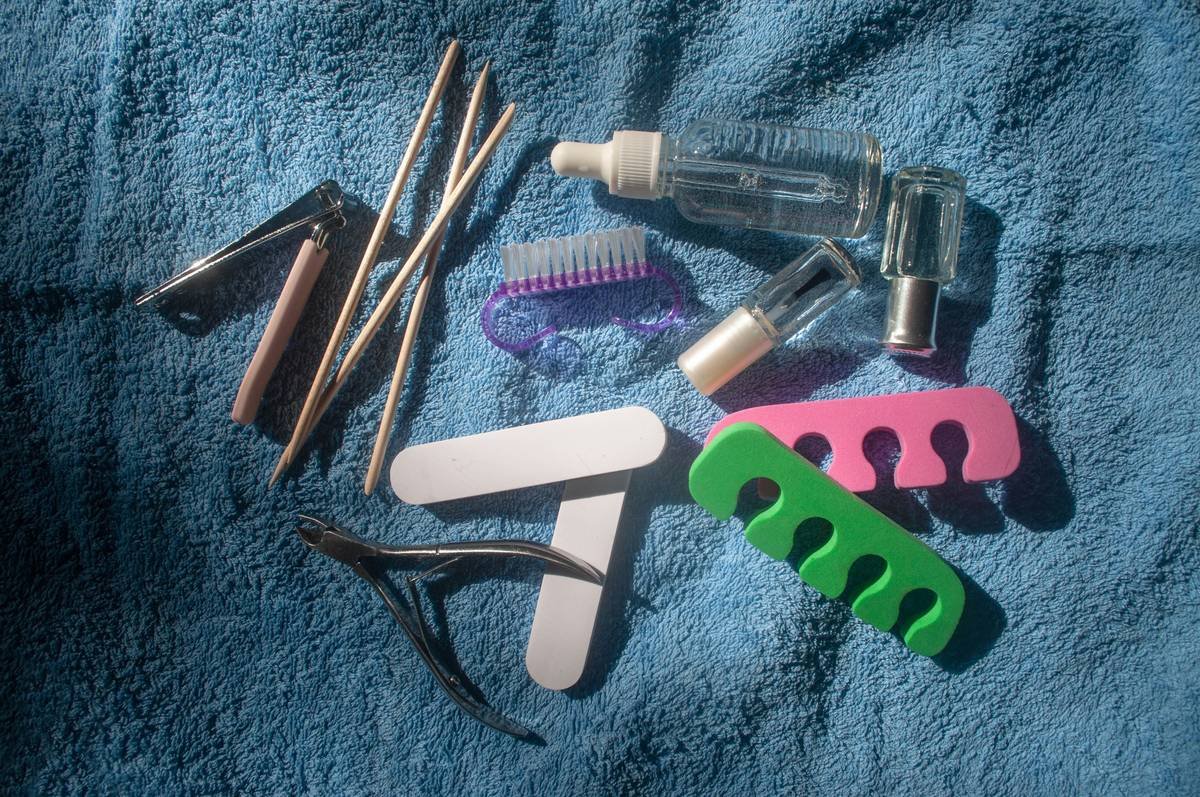
Here’s the no-BS starter kit every serious acrylic artist needs:
1. A Kolinsky Sable Acrylic Brush (Size 8–10)
Forget synthetic. Kolinsky sable holds the perfect bead, releases smoothly, and snaps back without fraying. Brands like Young Nails and Mizuno dominate pro salons for a reason. Avoid anything labeled “faux sable”—it’s marketing fluff.
2. Stainless Steel Dappen Dish with Lid
Acid-resistant, non-porous, and prevents monomer evaporation. Plastic? It cracks under acetone and absorbs chemicals, altering your L/P ratio over time. Look for double-well designs so you can separate liquid and glitter mediums.
3. 100/180 Grit File + 240 Buffer Block
You need coarse grit to shape quickly and fine grit to smooth without heat buildup. Glass or ceramic files last longer, but quality emery boards (like those from NSI) offer better control for beginners.
4. Cuticle Pusher + Nipper (Stainless Steel, Autoclavable)
Safety first: OSHA requires sterilizable tools in licensed settings. Avoid plastic pushers—they melt near UV lamps. For nippers, 5mm jaw width gives precision without crushing skin.
5. Lint-Free Wipes (Not Cotton Pads!)
Cotton fibers shed into your primer, causing lifting. Use medical-grade non-woven wipes like Ceylor or Blue Nitrile.
5 Pro Tips to Maximize Tool Longevity & Performance
- Rinse brushes immediately—never let acrylic dry in bristles. Swirl in monomer, then wipe gently on a paper towel folded lengthwise.
- Store dappen dishes upside down with lids sealed to prevent dust contamination and evaporation.
- Disinfect metal tools after every client using EPA-approved solutions (Barbicide is industry standard).
- Replace files every 10–15 uses—dull abrasives generate heat, which weakens the acrylic bond.
- Never soak brushes in acetone—it strips natural oils from sable hair, making them brittle.
Terrible Tip Disclaimer
“Use old toothbrushes to clean your e-file bits.” NO. Toothbrushes shed plastic bristles into your handpiece motor. Use a dedicated brass brush from a beauty supply store—or better yet, ultrasonic cleaner.
Real-World Case Study: From Kitchen Table to Licensed Salon
Maria R., now owner of “Luna Lacquer” in Austin, started doing nails in her apartment with a $40 Amazon kit. Her fill rate was 60%—clients kept coming back early due to chips and lifting.
After investing $220 in true professional acrylic nail tools (Kolinsky brush, stainless dappen dish, autoclavable nippers), her retention jumped to 92% within 3 months. “The difference wasn’t just in durability,” she told me, “it was speed. I shaved 12 minutes off each full set because my brush held consistent beads and my file didn’t slip.”
Her ROI? At $55 per full set, breaking even took just four clients. Now, she trains apprentices using the same core toolkit.
Frequently Asked Questions About Professional Acrylic Nail Tools
Are professional acrylic nail tools worth the price?
Yes—if you use them regularly. A $70 brush used twice a week pays for itself in 3 months compared to replacing $12 synthetics monthly. Plus, pros report 30% faster application with quality brushes (Nail Tech Today, 2023).
Can I use regular nail files for acrylics?
No. Regular emery boards (180+ grit) are too soft. They compress instead of cutting, generating friction heat that compromises adhesion. Always use files rated specifically for acrylic or enhancement systems.
How often should I replace my acrylic brush?
With proper care, a Kolinsky sable brush lasts 1–2 years. Signs it’s time to retire: split tips, loss of “belly” (mid-shaft thickness), or inconsistent bead pickup.
Do I need an e-file as a beginner?
Not immediately—but you’ll want one within 6 months. Manual filing takes longer and increases risk of uneven surfaces. Start with a quality hand file, then upgrade to a quiet, variable-speed e-file like the Kupa Manipro.
Conclusion
Professional acrylic nail tools aren’t luxury—they’re necessity. They ensure consistency, reduce rework, protect your reputation, and ultimately save you money. Skip the TikTok-viral “kits” packed with plastic junk. Invest in the core five: a Kolinsky brush, stainless dappen dish, dual-grit file, sterilizable metal tools, and lint-free wipes.
Your future self—and your clients’ nails—will thank you.
Like a Tamagotchi, your toolkit needs daily care. Feed it respect, clean it well, and it’ll serve you loyally for years.
Sharp edge gleams bright—
Kolinsky whispers true form.
Nails bloom, strong and light.