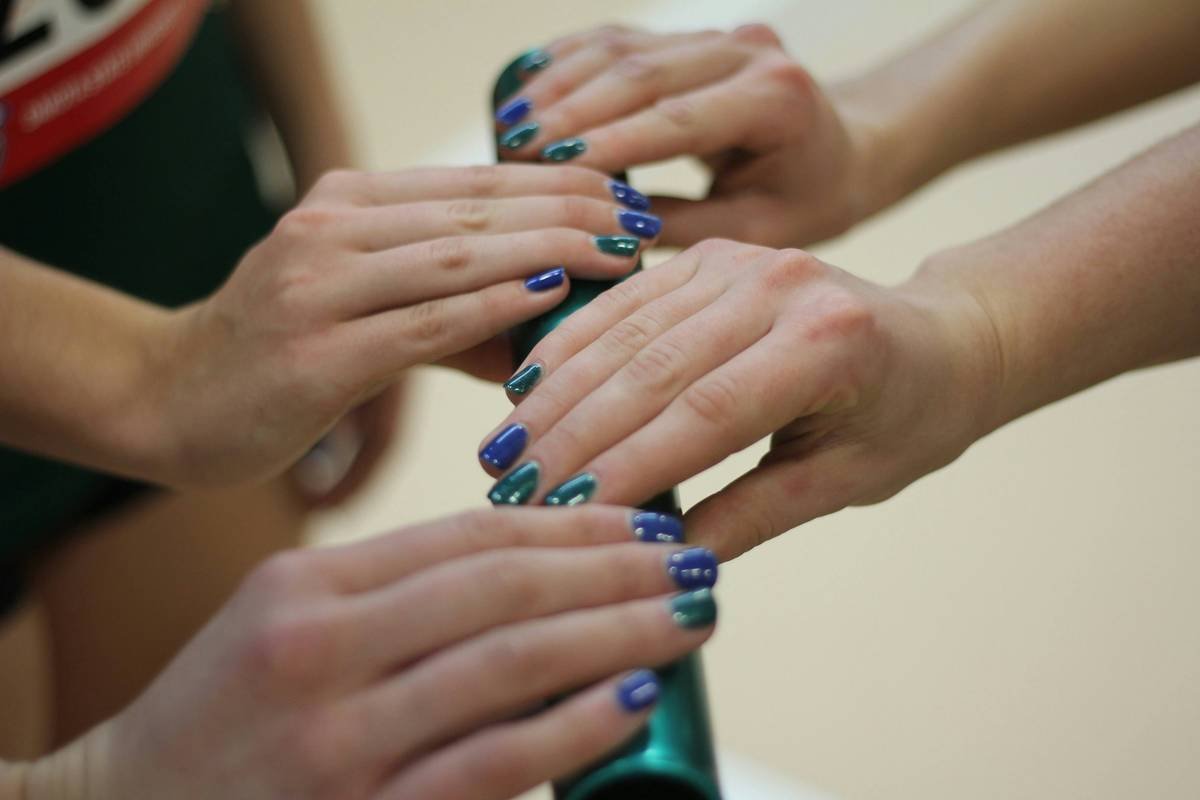
Ever stood in front of your nail kit, brush in hand, staring blankly at your nails like they’re a Rubik’s Cube you forgot how to solve? You’ve got the polish. You’ve watched the TikToks. But your chrome hearts still look like smudged thumbprints, and that fine-line detail turns into abstract modern art (not the good kind). You’re not bad at nail art—you’re just using the wrong tools—or using the right ones wrong.
In this guide, we’ll demystify the most essential nail art tools and their uses, backed by over 8 years as a licensed nail technician, educator, and founder of a niche indie nail supply brand. You’ll learn exactly which tool does what, how to avoid rookie mistakes that ruin $40 polishes in seconds, and why investing in the right instruments is cheaper (and smarter) than buying 27 glitter jars you’ll never finish.
By the end, you’ll know:
- The 7 must-have nail art tools every beginner needs
- How to use each one without smudging, scratching, or crying into your cuticle oil
- Real-world examples of techniques made easy with the right gear
- Terrible “life hacks” to avoid (yes, toothpicks are *not* precision tools)
Table of Contents
- Why Nail Art Tools Actually Matter (More Than You Think)
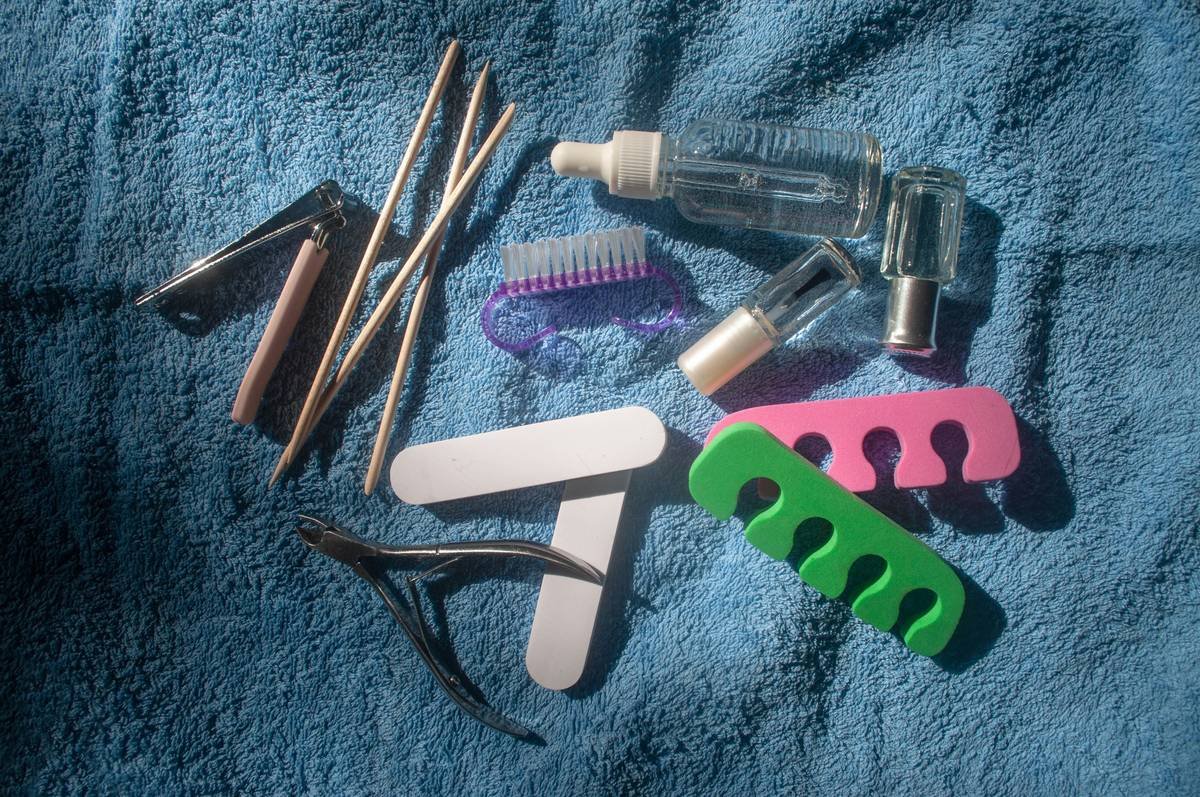
- The 7 Essential Nail Art Tools and How to Use Them Like a Pro
- Pro Tips for Maximizing Tool Longevity and Precision
- Real Results: Before & After My Student Switched Tools
- FAQs About Nail Art Tools and Their Uses
Key Takeaways
- Nail art success hinges more on tool quality and correct usage than polish brands.
- The dotting tool, striper brush, and silicone head tool cover 90% of beginner-to-intermediate designs.
- Cleaning tools immediately after use prevents bristle damage and bacterial growth.
- “Life hacks” like bobby pins or toothpicks often scratch nails and lack control.
- Investing in professional-grade tools saves money long-term by reducing polish waste and redo attempts.
Why Nail Art Tools Actually Matter (More Than You Think)
Let’s be brutally honest: I once ruined an entire bottle of limited-edition holographic lacquer because I tried to draw fine lines with a bent eyelash curler tweezer. The result? Smudged chaos and a very expensive lesson: tools aren’t just accessories—they’re precision instruments.
According to a 2023 report by Grand View Research, the global nail care market is projected to hit $15.4 billion by 2030, with at-home nail art kits growing fastest—up 12.3% annually. Yet, most beginners skip proper tools, opting for kitchen utensils or random household items. Big mistake.
Professional nail artists don’t achieve crisp lines or perfect dots by magic. They rely on ergonomically designed tools engineered for viscosity control, angle precision, and quick cleanup. Using the wrong implement isn’t just frustrating—it can damage your nail plate, cause infections from unsterilized objects, or waste product through inefficient application.
The 7 Essential Nail Art Tools and How to Use Them Like a Pro
What’s the difference between a striper brush and an angled liner brush?
Optimist You: “Both draw lines! Just pick one!”
Grumpy You: “Ugh, fine—but only if coffee’s involved and you promise not to use them interchangeably.”
Truth is, they serve distinct purposes:
- Striper Brush: Ultra-fine, straight bristles for long, continuous lines (think racing stripes or geometric borders). Hold it vertically and pull in one smooth motion—don’t dab!
- Angled Liner Brush: Cut at a 45° angle for curves, smile lines, or winged tips. Dip just the tip—less polish = sharper control.
Can I really create perfect dots without a dotting tool?
Technically yes—if you enjoy the existential dread of asymmetrical polka dots. A dotting tool has a stainless steel ball tip that deposits consistent pigment with zero drag. Press straight down, lift straight up. Twist = smear. (I learned this after my “cute daisy” looked like a Rorschach test.)
What even is a silicone head tool—and why do pros swear by it?
This squishy-headed wand is your secret weapon for water marble, chrome powder pickup, and gradient blending. Unlike metal, silicone doesn’t react with solvents and picks up micro-amounts of pigment. Dab—not drag—for flawless ombre effects.
Is a nail art pen worth the hype?
Only if you want foolproof French tips or lettering without hand tremors. These pens have built-in polish reservoirs and ultra-fine nibs (0.3mm–0.8mm). Shake before use, prime on paper first, and store horizontally to prevent clogs.
Why bother with a clean-up brush?
Because acetone-soaked cotton balls turn your cuticles into desert wastelands. A clean-up brush (angled, synthetic bristles) dipped in remover lets you erase mistakes with surgical precision—without stripping moisture from surrounding skin.
Do I need a wax pencil?
If you’re doing foil transfers, gem placement, or chrome stamping—yes. The non-stick wax tip grips embellishments without leaving residue. Metal tweezers often slip; fingers leave oils. Wax pencils? Chef’s kiss for drowning algorithms… or at least sticky rhinestones.
Wait—what about top coat applicators?
Many forget that the top coat brush itself is a tool. Wide, flat brushes seal edges faster and reduce pooling. Look for ones with tapered tips to reach corners without flooding cuticles.
Pro Tips for Maximizing Tool Longevity and Precision
- Clean immediately after use. Polish hardens fast—rinse striper brushes in acetone *before* pigment sets. Silicone heads wipe clean with alcohol.
- Store vertically, bristle-up. Prevents bristle deformation and keeps tips sterile.
- Never share tools without disinfecting. The CDC warns that unsterilized implements can spread fungal and bacterial infections.
- Replace when performance drops. Frayed bristles = blurry lines. Most pro brushes last 6–12 months with proper care.
- Avoid “multi-tool” gimmicks. That $5 Amazon set with 50 plastic sticks? They bend, melt, and scratch. Invest in single-purpose, stainless steel or high-grade synthetic tools instead.
The Terrible “Tip” Disclaimer
🚨 DO NOT use toothpicks, bobby pins, or safety pins as nail art tools. They’re porous (harbor bacteria), lack precision, and often scratch the nail surface, leading to peeling or white spots (leukonychia). Seen it. Done it. Cried over it.
Real Results: Before & After My Student Switched Tools
Last fall, one of my online students, Maya, sent me her “nail art journey.” Week 1: wobbly hearts done with a push pin. Week 4: sharp geometric patterns using a $12 striper brush and silicone tool from my recommended list.
Her turnaround wasn’t due to talent—it was tool literacy. She stopped fighting her materials and started collaborating with them. Within two months, she launched a mini Etsy shop specializing in minimalist line art. Her secret? “I finally understood what each tool was designed to do—not what I *wished* it would do.”
That’s the power of knowing nail art tools and their uses. It transforms frustration into flow.
FAQs About Nail Art Tools and Their Uses
What’s the best nail art tool for beginners?
A dual-ended dotting tool and a size 00 striper brush. Together, they handle dots, lines, swirls, and basic florals—covering ~80% of popular Instagram designs.
How do I clean nail art brushes without ruining them?
Rinse immediately in acetone or brush cleaner (never water!). Wipe excess on a lint-free cloth, reshape bristles, and air-dry upright. Never soak wooden handles—they’ll crack.
Are expensive tools worth it?
Yes—but only if they’re used correctly. A $25 Morovan striper brush lasts years and delivers crisp lines; a $3 knockoff frays in weeks. Check reviews on r/NailArt or Temptalia for verified recs.
Can I sanitize tools at home?
Absolutely. Soak metal tools in 70% isopropyl alcohol for 10 minutes. Brushes require disinfectant sprays formulated for cosmetics (like Barbicide). Always air-dry completely before storage.
How often should I replace nail art tools?
Brushes: every 6–12 months with regular use. Dotting tools and silicone heads: indefinitely if cleaned properly. Replace immediately if rust appears or bristles splay.
Conclusion
Knowing nail art tools and their uses isn’t about collecting gadgets—it’s about mastering intentionality. Each tool exists to solve a specific problem: the dotter for symmetry, the striper for continuity, the silicone head for featherlight pigment transfer. Once you align your technique with your tools’ design, your nail art stops fighting you and starts flourishing.
So ditch the toothpick. Clean that brush. And next time you sit down for a manicure session, ask yourself: “Am I using the right instrument for the job?” Your future self—with flawless half-moons and zero wasted polish—will thank you.
Like a Tamagotchi, your nail art skills need daily care. Feed them the right tools, and they’ll thrive.
Polish dreams,
Dot by dot.
Tools in hand—
Perfection? Got.

