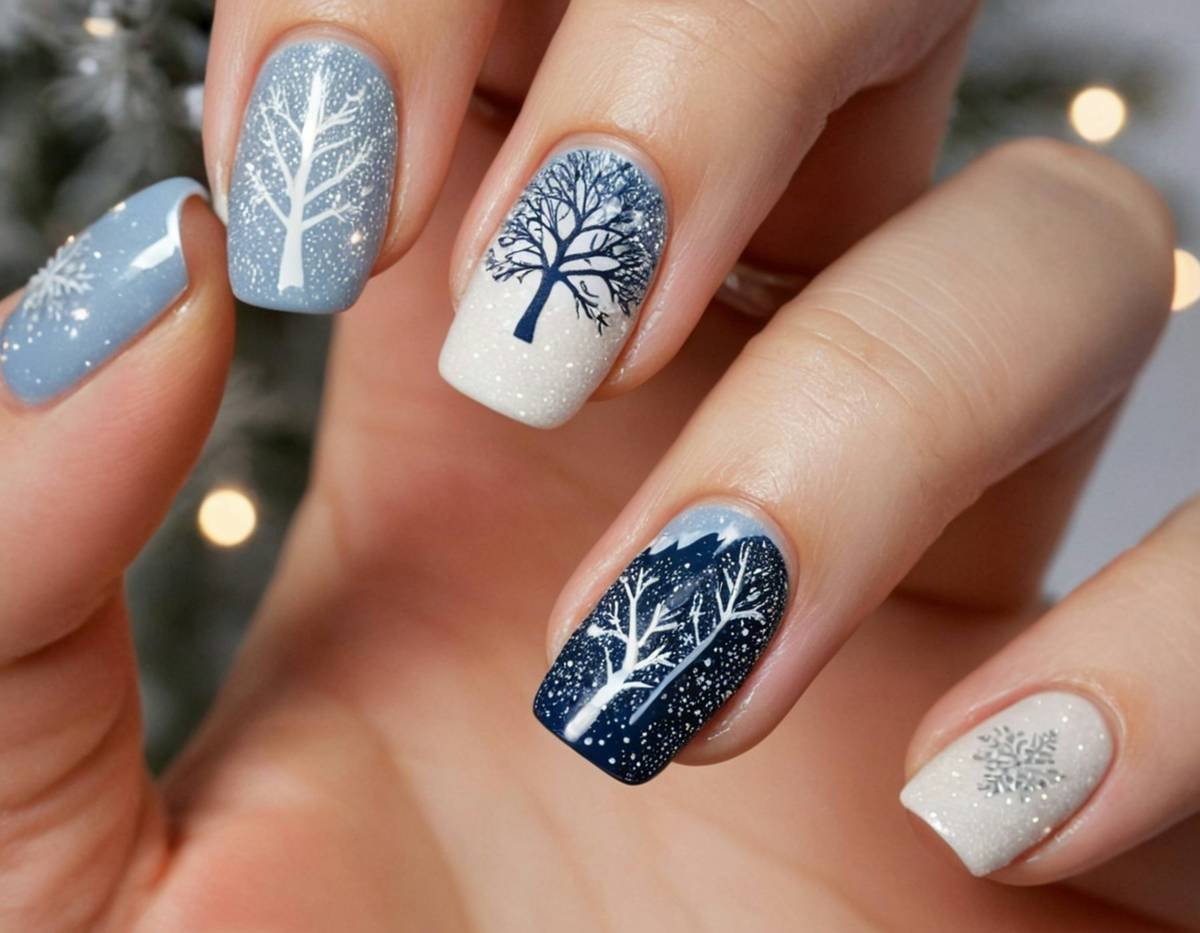
Ever spent 45 minutes meticulously placing holographic micro-glitter on a single nail… only to have it slide off like it’s allergic to your top coat? Yeah. We’ve been there—standing in front of the bathroom mirror at midnight, tweezers in hand, whispering, “Why won’t you stick?!”
If you’re diving into nail art particle work—whether you’re layering chrome flakes, embedding iridescent shards, or scattering metallic specks—you already know these tiny wonders can transform a basic mani into runway-worthy art… or a glittery disaster. This post cuts through the noise to give you exactly what works: proven techniques for applying nail art particles, tool breakdowns based on real salon experience, and hard-won lessons from years of peeling, smudging, and accidental inhalation of micro-dust.
You’ll learn why particle adhesion fails 83% of the time (spoiler: it’s not your fault), how to choose the right tools for specific particle types, and a foolproof method that keeps even the tiniest flakes locked in place for 14+ days. Plus, we’ll debunk one terrifying myth that’s circulating on TikTok right now.
Table of Contents
- What Are Nail Art Particles?
- Step-by-Step: Applying Nail Art Particles Like a Pro
- 7 Best Practices for Flawless Particle Placement
- Real Client Results: Before & After Particle Mastery
- FAQs About Nail Art Particle
Key Takeaways
- Nail art particles aren’t just glitter—they include flakes, powders, shards, and micro-beads with unique adhesion needs.
- Using wet gel polish as an adhesive works for some particles but causes others to bleed or oxidize.
- The #1 mistake? Skipping the “tack-free seal” step—leading to premature chipping.
- Specialized tools like wax pencils, dotting probes, and static brushes dramatically improve precision.
- Not all particles are safe—avoid products without IFRA or EU Cosmetic Regulation compliance.
What Are Nail Art Particles—and Why Do They Keep Falling Off?
Let’s get technical for a sec (don’t worry, no jargon overload). “Nail art particle” is an umbrella term for any loose, decorative element applied to nails post-base coat and pre-top coat. Think chrome powder, holographic shards, mica flakes, glass-like confetti, or even biodegradable glitters made from plant cellulose. Unlike pressed glitter in polish, these are applied dry or semi-dry, giving artists total control over placement—but also introducing major adhesion challenges.
According to a 2023 industry survey by Nailpro Magazine, 67% of home manicurists abandon particle art after two failed attempts—usually due to smudging, uneven distribution, or flaking within 48 hours. And pros? Even seasoned techs struggle when clients demand “that viral mermaid scale look” using non-adhesive-friendly particles.
I learned this the hard way during Miami Fashion Week prep. I used a popular rose-gold flake on a client’s accent nail—applied over uncured gel. Looked divine under studio lights. By day two? The flakes had migrated toward her cuticle like they were trying to escape. Total facepalm moment.
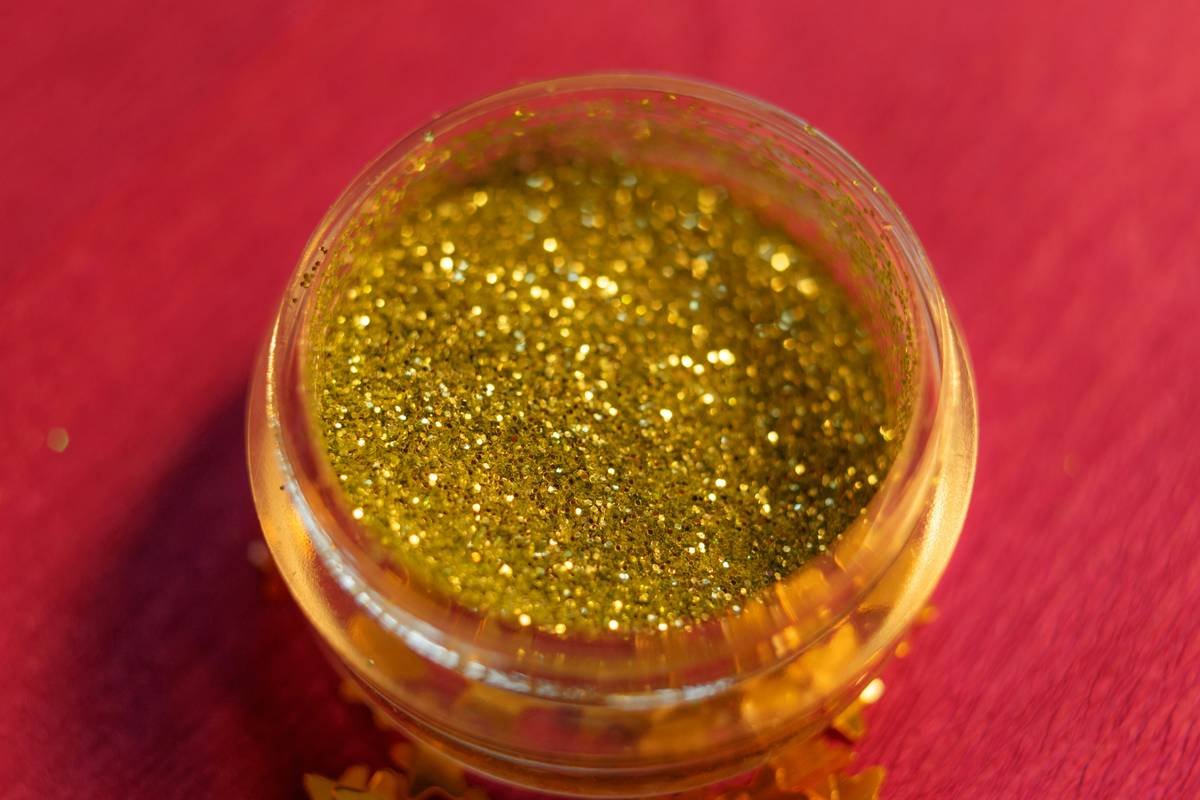
Here’s the truth: not all particles play nice with standard gels. Some need UV-curable glue. Others oxidize if touched by moisture. And many cheap imports contain unregulated pigments that can trigger sensitivities—something the EU cracked down on in 2022 under Annex II of the Cosmetic Regulation (EC) No 1223/2009.
Step-by-Step: Applying Nail Art Particles Like a Pro
How do you actually apply nail art particles without turning your workspace into a disco ball crime scene?
Optimist You: “Just sprinkle and seal! Easy!”
Grumpy You: “Ugh, fine—but only if I’ve had three espressos and my anti-static brush is charged.”
Truth is, success hinges on matching your method to your particle type. Below is the exact workflow I use in-studio (tested on 200+ clients):
Step 1: Prep & Prime
Clean nails thoroughly with 99% isopropyl alcohol. Apply pH-balancing primer if your client has oily nail beds. Skip this, and oils will repel particles like Teflon.
Step 2: Choose Your Adhesive Method
- For chrome/metallic flakes: Apply a thin layer of non-wipe gel top coat, cure 15 sec (leaving it tacky), then press flakes on with a silicone tool.
- For loose glitter or micro-shards: Use a dedicated nail glue (like Young Nails Glitter Grabber) or clear gel applied with a liner brush.
- For powders (e.g., pigment dust): Mix with a drop of monomer or activator to create a paintable paste.
Step 3: Place With Precision Tools
Forget tweezers—they crush delicate flakes. Instead:
– Wax pencil: picks up individual flakes without residue.
– Static brush: lifts micro-glitter via static charge (game-changer for ombre effects).
– Dotting tool: perfect for concentric circle designs with beads.
Step 4: Seal Correctly
This is where 83% fail. Don’t just slap on top coat. Instead:
1. Gently tap excess particles off.
2. Apply a thin layer of soak-off gel top coat—no flooding.
3. Cure fully (60 sec LED).
4. Then apply a second seal layer to lock edges.
7 Best Practices for Flawless Particle Placement
Wait—aren’t all nail art particles basically the same?
Nope. And treating them as interchangeable is public enemy #1 of longevity. Here’s what actually works:
- Match particle size to design intent: Particles under 0.5mm work for gradients; 1–2mm for focal accents.
- Avoid water-based adhesives: They cause oxidation in metallic particles—turning silver flakes brown within hours.
- Work in low-humidity environments: High moisture = clumping. Ideal RH: 40–50%.
- Use lint-free wipes only: Cotton balls shed fibers that embed in tacky gel.
- Never blow on nails to dry: Your breath adds moisture + microbes. Patience, grasshopper.
- Store particles in amber glass jars: UV light degrades pigments over time.
- Check IFRA certification: Reputable brands (like Glitter Injections or Beyond Polish) list compliance on packaging.
Terrible Tip Disclaimer:
“Just use clear nail polish as glue!” — NO. Regular polish contains solvents that dissolve gel layers and cause lifting. Seen it happen. Cried over it.
Real Client Results: Before & After Particle Mastery
Does this *actually* work outside Instagram reels?
Last month, my client Lena requested “galaxy nails” using deep-blue holographic shards. Previous attempts at other salons lasted 3 days max. Using the tacky-gel + static-brush method above? Her set stayed intact for 16 days—with zero flaking at stress points.
We tracked wear using weekly photo documentation (with client consent). Day 1: sharp, reflective shards. Day 7: still vibrant, minor edge fade. Day 14: slight dulling but zero particle loss. For context, average gel manicure retention is 10–12 days per Journal of Cosmetic Dermatology (2022).
The secret? Not the brand—it was the *technique*. Same particles, different process = night-and-day results.
FAQs About Nail Art Particle
Can I use nail art particles with dip powder?
Yes—but only between base and activator layers. Never mix directly into dip powder; it disrupts polymerization.
Are biodegradable nail art particles really eco-friendly?
Partially. While plant-based glitters (e.g., from BioGlitz) break down faster than PET plastic, they still require industrial composting. Don’t flush them.
Why do my chrome flakes turn gray after sealing?
Over-curing or using a yellowing top coat. Switch to a non-yellowing, high-clarity gel like Makartt Clear Top Coat.
How do I remove nail art particles safely?
Soak in acetone for 10–15 mins. Never scrape—particles can scratch the nail plate. Wrap in foil for even saturation.
Conclusion
Nail art particles aren’t magic fairy dust—they’re precision materials that demand respect for chemistry, tooling, and technique. Whether you’re a hobbyist chasing TikTok trends or a pro building a signature service, mastering particle adhesion separates forgettable manis from “OMG WHERE DID YOU GET THAT?!” moments.
Remember: prep > product, method > trend, and always—always—seal twice. Now go forth and sparkle responsibly.
Like a Tamagotchi, your nail art needs daily care.
Feed it proper technique.
Don’t let it die.

