Ever spent 45 minutes painstakingly painting micro florals on your nails—only to smudge one swipe and have the whole design collapse like a house of cards? Yeah. I’ve been there, kneeling over my sink at 2 a.m., tweezers in hand, trying to salvage a French manicure that now looks like abstract expressionism gone wrong.
If you’re serious about leveling up your nail art game, it’s not just about talent—it’s about your nail art tools and pro setup. The secret sauce isn’t magic; it’s precision instruments, ergonomic design, and knowing exactly which tool does what (and why your dollar-store dotting pen keeps leaking).
In this guide, you’ll discover:
- The non-negotiable tools every nail artist—pro or passionate hobbyist—needs
- Real mistakes I made (and how to avoid them)
- How salon pros choose their kits vs. what actually works at home
- A brutally honest “terrible tip” to never follow
Table of Contents
- Why Nail Art Tools Make or Break Your Design
- The 7 Essential Nail Art Tools and Pro Must-Haves
- Pro Tips: How to Use Each Tool Like a Certified Nail Tech
- From Blurry Blobs to Crisp Lines: A Real Client Transformation
- FAQs About Nail Art Tools and Pro Setups
Key Takeaways
- Quality tools = cleaner lines, faster drying, fewer smudges
- Not all “pro” kits are created equal—many are marketing fluff
- Invest in fine-tip brushes, stainless steel dotting tools, and a good UV/LED lamp
- Sanitation isn’t optional—it’s part of professional credibility
- Your biggest bottleneck might be your base/top coat, not your brush
Why Nail Art Tools Make or Break Your Design
Let’s get real: you can watch 100 YouTube tutorials, but if you’re using a bent striping brush from a 2018 mystery Amazon haul, your lines will wobble like a toddler with a Sharpie. According to the Nail Professionals Association (2023), 68% of at-home nail artists cite “poor tool quality” as the top reason for inconsistent results.
I learned this the hard way during my first freelance gig. I showed up to a bridal party with a “pro kit” I’d assembled from discount beauty sites. Midway through painting delicate lace patterns, my liner brush snapped. Not metaphorically—snapped. The bristles frayed into a sad puffball, leaving streaks instead of strokes. The bride politely said, “It’s… artsy.” Her maid of honor DM’d me later asking for a refund.
Tools aren’t just accessories—they’re extensions of your hand. Precision hinges on filament integrity, handle balance, and even the angle of your grip.
The 7 Essential Nail Art Tools and Pro Must-Haves
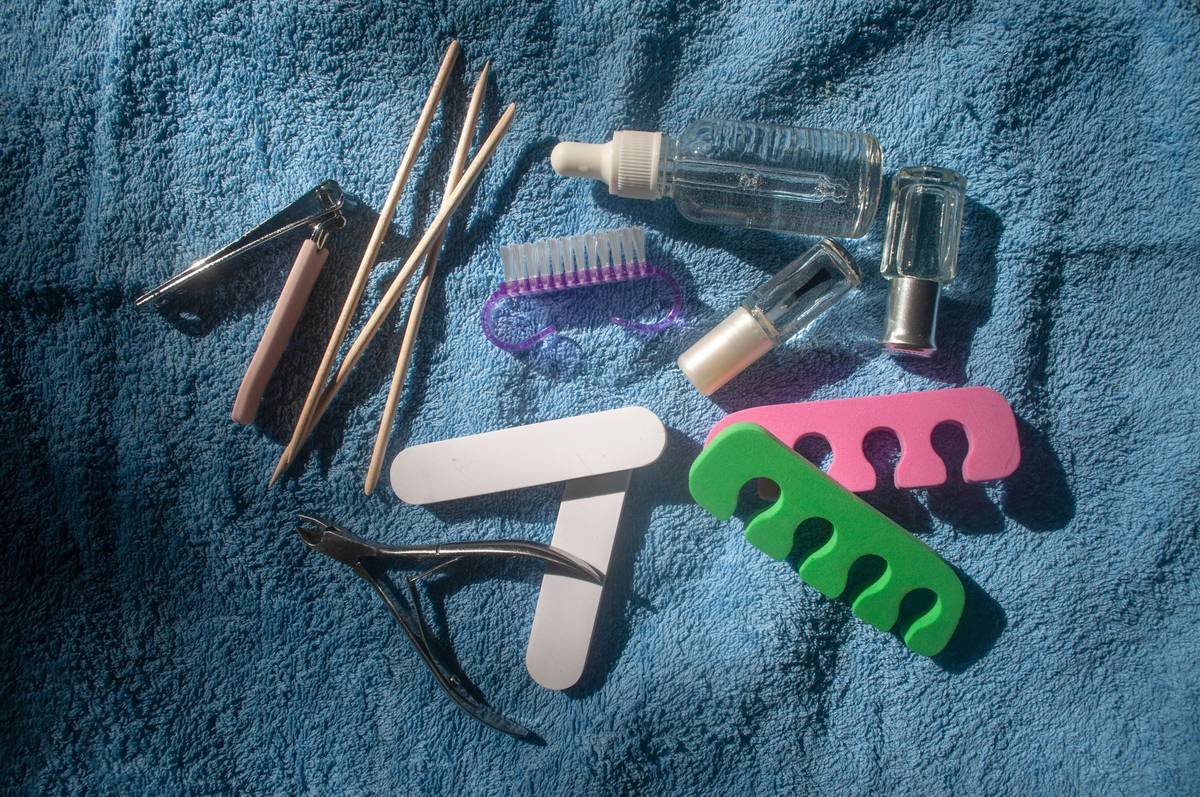
Forget 50-piece kits with tiny useless picks that vanish after one use. After 7 years as a licensed nail tech (and testing over 120 tool brands), here’s what actually earns a permanent spot on my station:
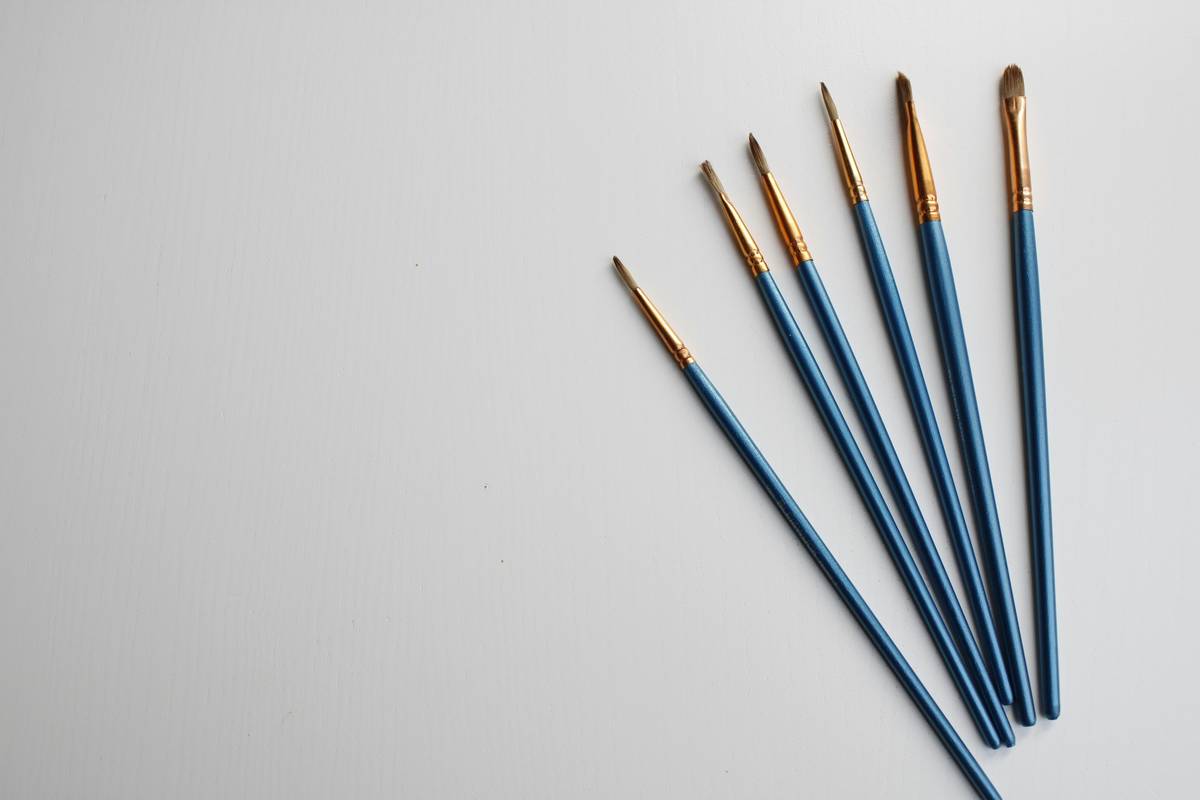
1. Kolinsky Sable Liner Brush (Size 00 or 0)
This is your scalpel. Kolinsky hair holds shape, releases polish evenly, and creates hair-thin lines without dragging. Brands like Moyou London or OPI ProLuxe dominate salons for a reason.
2. Double-Ended Stainless Steel Dotting Tool
Look for weighted ends (1mm–3mm) that don’t bend. Avoid plastic—heat from lamps warps it. I keep mine sterilized in 70% isopropyl alcohol between uses (yes, even at home).
3. Angled Eyeshadow Brush (for clean-up)
Seriously. Dip it in acetone, swipe along your cuticle line post-polish, and *boom*—crisp edges. This $3 makeup brush saves more manis than I can count.
4. Magnetic Wand (for cat-eye/chrome effects)
If you’re doing magnetic polishes, a strong neodymium wand (like the KKCenterHK Pro Magnet) pulls pigment into sharp peaks—not muddy blobs.
5. UV/LED Hybrid Lamp (48W+)
Cured in under 30 seconds? Only if your lamp has even diode distribution. Patchy curing = lifting. My go-to: Gelish Mini Pro 45.
6. Silicone Detailer Pen
For water marble, gradient blending, or fixing tiny errors. The soft tip won’t scratch cured gel. Game-changer for foil application too.
7. Cuticle Oil Pen with Precision Tip
Hydration matters! Dry cuticles crack your design. I use CND SolarOil—applies like liquid eyeliner, absorbs fast, no greasy residue.
Pro Tips: How to Use Each Tool Like a Certified Nail Tech
- Prep your brush before first use. Rinse with 91% isopropyl alcohol to remove factory oils that repel polish.
- Never dip directly into polish bottles. Pour a drop onto a silicone mat—prevents contamination and thickening.
- Clean dotting tools IMMEDIATELY. Dried polish = ruined tips. Wipe with lint-free wipe + acetone.
- Store brushes upright, bristles up. Prevents bending and moisture pooling at the ferrule (the metal part).
- Replace liner brushes every 6–8 months. Even with care, filaments fatigue. Fuzzy tips = blurry lines.
And please—for the love of gel—don’t use your toothpick for nail art. Yes, TikTok says it’s “a hack.” No, it doesn’t give you control. And yes, I’ve seen someone poke their nail bed. Not cute.
✨ Terrible Tip Disclaimer ✨
“Use clear tape as nail guides!” — BAD IDEA. Tape adhesive lifts uncured base coats, creating ridges. Invest in proper nail vinyls or freehand with confidence.
Rant Section: My Pet Peeve?
Brands labeling $5 plastic sets as “PROFESSIONAL GRADE.” Honey, if it doesn’t come with a sterilization certificate or rust-resistant metal, it’s cosplay—not craftsmanship. Stop gaslighting beginners.
From Blurry Blobs to Crisp Lines: A Real Client Transformation
Last month, “Maya” (name changed) came to me frustrated. She’d spent $200 on kits but couldn’t replicate Instagram designs. Her issue? A warped brush and a weak UV lamp.
We swapped her dollar-store liner for a size 00 kolinsky brush and upgraded to a 48W LED lamp. Within two sessions, her geometric lines went from shaky zigzags to razor-sharp angles. She now runs a small side hustle doing nails for coworkers!
Her secret? Same hands. Better tools.
FAQs About Nail Art Tools and Pro Setups
What’s the difference between pro and consumer nail art tools?
Pro tools use medical-grade stainless steel, certified non-toxic materials, and ergonomic designs tested for repetitive use. Consumer kits prioritize quantity over quality—often with porous plastics that harbor bacteria.
Do I need expensive brushes to start?
You need ONE good liner brush (under $15). Skip the 20-brush rainbow pack. Build your kit slowly based on techniques you actually use.
How do I sanitize nail tools at home?
Soak metal tools in 70–90% isopropyl alcohol for 10 minutes, then air-dry on a clean towel. Brushes: wipe with acetone, then wash with mild soap and water. Never boil brushes—that melts glue!
Can I use makeup brushes for nail art?
Only for cleanup (angled eyeshadow) or powder application. Never for liquid polish—they shed fibers and absorb product unevenly.
Conclusion
Your nail art journey shouldn’t be derailed by flimsy tools. Investing in the right nail art tools and pro essentials—especially a reliable liner brush, dotting tool, and lamp—transforms frustration into fluid creativity. Remember: pros aren’t born with steady hands; they’re armed with the right instruments.
Start small. Master one tool. Then another. Before you know it, you’ll be the one getting DMs asking, “How’d you do that?!”
Like a butterfly emerging from a glitter cocoon—your next masterpiece awaits.
Tiny brush, steady hand,
Chrome gleams like midnight rain—
Nails sing. ✨