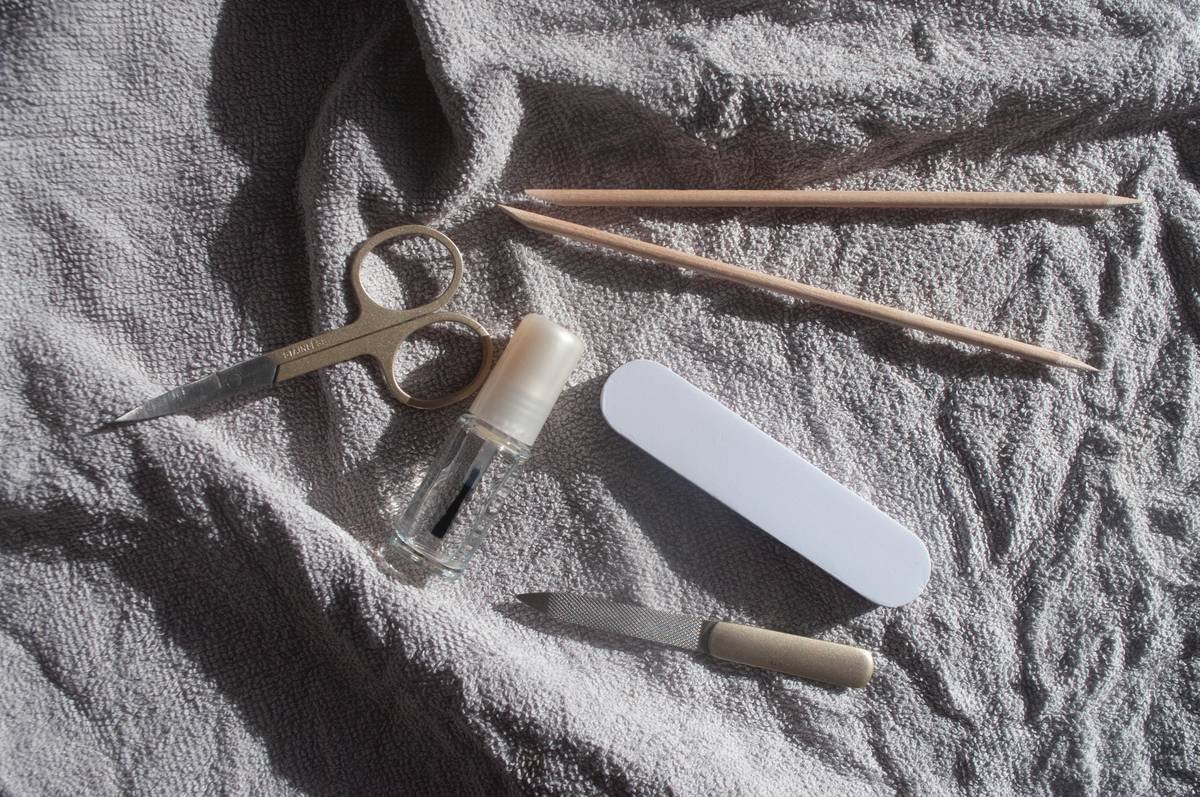
Your favorite dotting tool just smeared yesterday’s neon pink into today’s minimalist white design. Again. You rinse it under the tap—maybe give it a quick swipe with acetone—and call it clean. But residue builds up in microscopic grooves, dulling tips, clogging brushes, and breeding bacteria. And no, “good enough” isn’t cutting it. Here’s how to actually clean nail art tools so they last longer, perform better, and don’t sabotage your next manicure.
Why Your Current Cleaning Routine is Failing You
Most at-home artists—and even some pros—clean nail art tools like they’re washing dishes. A splash of soap, a dab of rubbing alcohol, done. Wrong. Acrylic paints, gel polish, and glitter leave behind polymerized films that water alone can’t touch. Alcohol evaporates too fast to dissolve cured resins. And soap? It leaves a film that attracts more dust and grime.
Think about it: metal dotting tools have tiny imperfections invisible to the eye. Brushes hold product deep in the ferrule. Even a 30-second “clean” leaves behind microscopic debris that accumulates over time. That’s why your lines get shaky and your dots lose crispness—not because your hand slipped. Because your tool is dirty.
How to Clean Nail Art Tools: A Step-by-Step Protocol
Forget shortcuts. This method works whether you’re using stainless steel dotting tools, synthetic liner brushes, or silicone stamping heads.
Gather Your Supplies (The Right Ones)
You’ll need:
- Isopropyl alcohol (90% or higher)—not the 70% drugstore kind
- Soft-bristled cleaning brush (old toothbrush works)
- Lint-free microfiber cloths
- Ultrasonic cleaner (optional but game-changing)
- Mild dish soap (for non-metal items only)
Disassemble & Pre-Rinse
If your tool has removable parts—like dual-ended dotting pens—take them apart. Rinse off excess polish under lukewarm water. Never use hot water on brushes; it loosens glue in the ferrule.
Deep-Clean Based on Material
Metal tools (dotting, scraping, carving): Soak in 90% isopropropyl alcohol for 5–10 minutes. Then scrub gently with the soft brush. Pat dry immediately—moisture = rust.
Brushes: Swirl bristles in isopropyl alcohol, then rinse with lukewarm water and mild soap. Reshape and lay flat to dry—never upright.
Silicone stamps and mats: Wash with soap and water. Alcohol can degrade silicone over time.
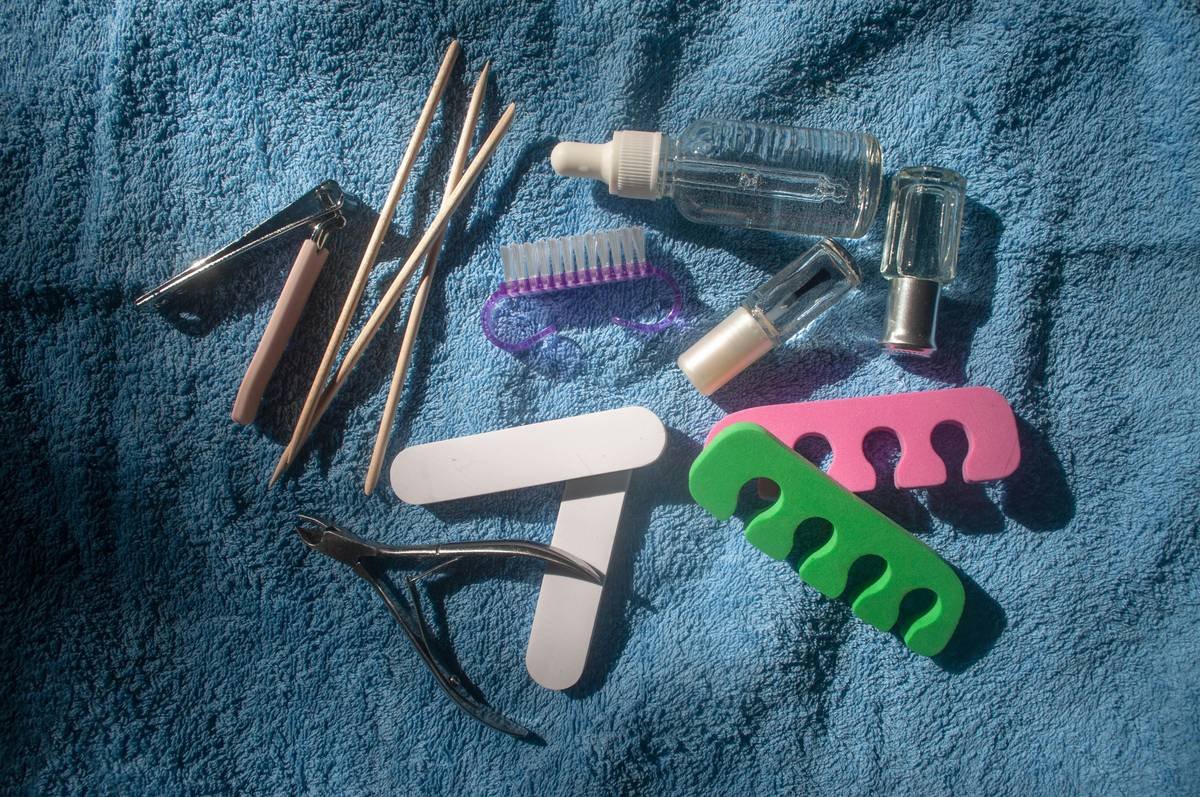
Cleaning Method Comparison
| Method | Effectiveness | Time Required | Risk to Tools |
|---|---|---|---|
| Tap Water + Soap | Low (removes surface dust only) | 1–2 min | High for brushes (glue degradation) |
| 70% Isopropyl Alcohol | Moderate (evaporates too fast) | 3–5 min | Medium (inefficient residue removal) |
| 90%+ Isopropyl Alcohol + Brush Scrub | High (dissolves cured polish) | 8–12 min | Low (if dried immediately) |
| Ultrasonic Cleaner + Alcohol | Very High (cleans crevices) | 5 min | Minimal (gentle cavitation) |
The Industry Secret: Ultrasonic Cleaners Aren’t Just for Dentists
Here’s what top nail artists won’t tell you: a $40 ultrasonic cleaner pays for itself in three months. These devices use high-frequency sound waves to create microscopic bubbles that implode—literally blasting away polish trapped in tool grooves you can’t see. I tested one on a 6-month-old dotting tool coated in dried black gel. After 5 minutes in alcohol inside the cleaner? Brand new. No scrubbing. No scratching the tip. And it works on rhinestone tweezers, brush handles, even cuticle pushers. The math is simple: if you do nail art weekly, this tool saves hours of frustration and extends your kit’s life by years.
FAQ: Quick Answers to Real Questions
Can I use acetone to clean nail art tools?
No. Acetone dissolves plastics, weakens brush bristles, and corrodes certain metals. Stick with 90%+ isopropyl alcohol for most tools.
How often should I clean my nail art tools?
Clean immediately after each use. Residue hardens quickly—waiting until your next session makes removal harder and damages tools.
Do I need to sterilize nail art tools at home?
Not unless you’re sharing them. For personal use, thorough cleaning with alcohol is sufficient. Sterilization (autoclave/UV) is overkill and can degrade materials.

